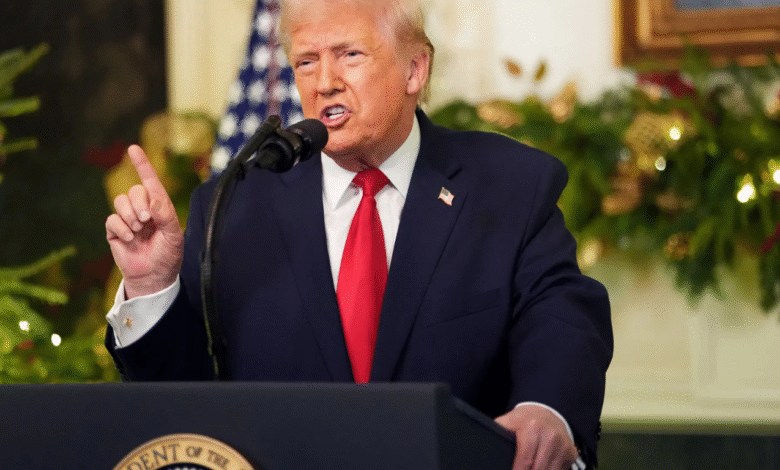
Trump speech approval has become a key metric for gauging how Americans respond to the president’s major public addresses. These snap polls, conducted immediately after speeches like the State of the Union or joint sessions of Congress, capture viewer reactions and provide snapshots of public sentiment. For a general audience seeking to understand political dynamics, analyzing trump speech approval reveals insights into partisan divides, media influence, and the effectiveness of presidential communication. In Trump’s second term, these ratings highlight both strong base support and broader challenges amid fluctuating national approval. This article explores the trends, key examples, and implications behind trump speech approval ratings.
Historical Context of Trump Speech Approval
Trump speech approval ratings trace back to his first term, where instant polls often showed high enthusiasm among Republican-heavy audiences despite lower overall job approval. Early addresses, such as his 2017 inaugural speech and subsequent State of the Union deliveries, frequently earned positive marks from viewers, with ratings hovering between 70% and 78% in some surveys. These figures reflected his ability to energize supporters through direct, unfiltered messaging on issues like immigration and the economy. However, broader public polls rarely translated these viewer highs into lasting boosts for his presidency. Understanding this pattern helps explain why trump speech approval remains a partisan indicator rather than a universal gauge of leadership success.
High Marks for the 2025 Joint Address to Congress
In March 2025, President Trump’s joint address to Congress earned strong trump speech approval, with CBS/YouGov reporting 76% approval among viewers and CNN noting about 69% positive reactions. The heavily Republican audience praised the speech for its clear policy vision and energetic delivery, describing Trump as presidential and unifying. Many viewers highlighted plans on inflation and immigration as resonating strongly. This event marked an early high point in his second term, boosting morale within his party ahead of midterm preparations. Such robust trump speech approval demonstrated his skill in rallying supporters during formal settings, even as national polls showed more divided opinions.
Mixed Reactions to the 2026 State of the Union
By February 2026, trump speech approval for the State of the Union had cooled noticeably. CNN’s SSRS poll found 64% of viewers reacted positively, with 38% very positive, marking the lowest among recent Trump addresses. The record-long speech focused on economic wins and foreign policy, yet 36% expressed negative views amid ongoing concerns over affordability and international tensions. While Republican viewers remained enthusiastic, the drop from prior years signaled shifting sentiments even among watchers. This outcome underscored how trump speech approval can reflect broader economic worries, despite the president’s efforts to project strength and optimism to the nation.
Key Factors Affecting Trump Speech Approval Ratings
Several elements shape trump speech approval, including speech content, timing, and audience composition. Policy-heavy addresses emphasizing economic recovery or security often score higher with core supporters, while extended durations or controversial topics can polarize viewers. External events, such as economic pressures or global conflicts, also influence reactions, as seen in 2026 polls. Delivery style plays a role too—Trump’s signature directness energizes fans but alienates others. Media framing before and after further sways perceptions. Overall, these factors illustrate why trump speech approval varies widely and rarely shifts general public opinion dramatically in today’s polarized climate.
The Partisan Lens on Presidential Speeches
Partisanship heavily colors trump speech approval, with Republican viewers consistently rating addresses more favorably than Democrats or independents. Snap polls show audiences skewing toward the president’s party, inflating positive numbers compared to nationwide job approval figures around 37%. This divide highlights how speeches reinforce existing loyalties rather than bridge gaps. Independents often fall in between, responding to practical policy details over rhetoric. Historical comparisons reveal similar patterns across administrations, yet Trump’s approach amplifies the split. Recognizing this lens is essential for interpreting trump speech approval accurately—it measures base mobilization more than broad consensus.
Broader Implications of Trump Speech Approval for Governance
Trump speech approval offers clues about communication effectiveness and potential midterm impacts, though it seldom alters overall presidential ratings significantly. High viewer scores can energize lawmakers and the base, aiding legislative pushes, while lower ones may signal vulnerabilities on key issues like the economy. In 2026’s context of low national approval, these polls serve as barometers for public mood without guaranteeing policy success. They remind leaders that speeches must balance inspiration with tangible results. Ultimately, sustained trump speech approval depends on aligning rhetoric with real-world outcomes that resonate beyond partisan lines.
FAQs
What do typical trump speech approval ratings look like?
Trump speech approval ratings from instant viewer polls usually range from 60% to 80% positive among those who watch, driven by a Republican-leaning audience. For instance, his 2025 joint address hit 76% approval in CBS polling, while the 2026 State of the Union scored 64% positive per CNN. These figures exceed his general job approval but reflect self-selected viewers rather than the full public. Such data helps gauge messaging resonance without overrepresenting broader sentiment.
Did the 2026 State of the Union improve Trump’s overall approval?
No major shift occurred following the 2026 address, as trump speech approval among viewers stayed positive but did not translate to nationwide gains. Pre-speech polls showed approval near 36%, and post-speech data indicated little change. Speeches rarely produce lasting bumps in an era of entrenched views. Economic concerns continued to weigh on perceptions despite the address’s focus on wins. This highlights the limits of single events in influencing trump speech approval or broader ratings.
How does viewer reaction differ from general public opinion on Trump speeches?
Viewer reactions in trump speech approval polls are far more positive due to partisan self-selection, with Republicans dominating audiences and expressing strong support. In contrast, general public polls capture a balanced sample showing lower enthusiasm and higher disapproval tied to policy outcomes. For example, 2025 and 2026 speeches earned 70%+ viewer positivity yet coincided with sub-40% job approval nationally. This gap underscores how speeches reinforce core bases while struggling to sway independents or opponents.
Why is trump speech approval important for understanding politics?
Trump speech approval matters because it reveals real-time public engagement with presidential messaging and highlights divides on critical issues. It informs strategies for future addresses and signals potential vulnerabilities or strengths ahead of elections. By tracking these metrics alongside overall ratings, observers gain a fuller picture of leadership effectiveness. In a media-saturated environment, such polls cut through spin to show what connects—or fails to connect—with Americans watching live.
Conclusion
trump speech approval provides valuable snapshots of how Americans perceive President Trump’s addresses amid partisan realities and national challenges. From strong 2025 reactions to tempered 2026 feedback, these polls illustrate both his communicative strengths and the hurdles of broadening appeal. Factors like content, timing, and audience shape outcomes, yet they rarely reshape wider approval. For general readers, monitoring trump speech approval offers deeper insight into political communication and its role in governance. As events unfold, these metrics will continue highlighting the complex interplay between rhetoric and public trust in the presidency.