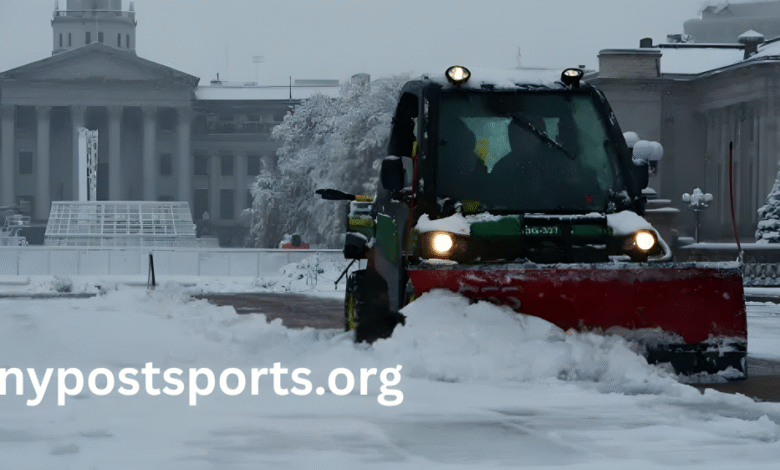
When it comes to snow totals Denver, folks often picture the Mile High City blanketed in a fluffy white coat, turning everyday scenes into something out of a postcard. Wow, Denver’s snowfall isn’t just weather—it’s a big part of what makes this place tick, from boosting the local economy with ski trips to keeping reservoirs full for summer. As an expert who’s tracked Colorado’s climate patterns for years, I’ve seen how these totals shape life here. In this article, we’ll dive deep into everything about snow totals Denver, drawing on reliable data to give you the full scoop. Whether you’re a local planning your commute or a visitor dreaming of powder days, understanding these figures can make winter a breeze. After all, with the right know-how, even a hefty snowfall feels like a fresh start.
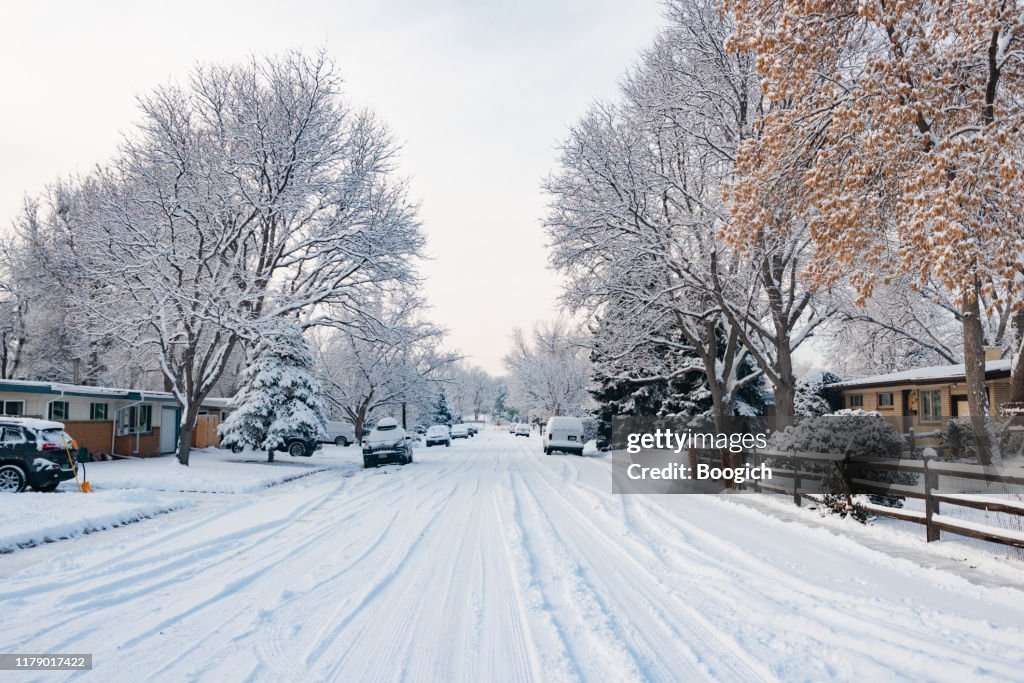
What Makes Snow Totals Denver So Unique
Denver sits right where the Great Plains meet the Rocky Mountains, and boy, does that create some wild weather swings. You know, one day it’s sunny and mild, the next you’re digging out from under a foot of snow—talk about keeping things interesting! This location means snow totals Denver can vary wildly, influenced by upslope storms that dump moisture from the east or Pacific systems sneaking over the peaks. Experts like those at the National Weather Service have been measuring this for over a century, showing how the city’s elevation at 5,280 feet plays a huge role. It’s not uncommon for the metro area to get light dustings while nearby foothills pile up double digits. Moreover, with climate patterns like La Niña or El Niño in the mix, predicting these totals becomes a bit of a puzzle, but one that’s exciting to solve. All in all, grasping what drives snow totals Denver helps everyone stay ahead of the curve.
How Snow is Measured: The Science Behind Snow Totals Denver
Measuring snow totals Denver isn’t as simple as sticking a ruler in the ground—oh no, there’s real expertise involved. Trained observers use snowboards, flat surfaces cleared every six hours, to get accurate readings without wind or melting messing things up. At places like Denver International Airport, the official site since 2007, they take multiple samples and average them for precision. Interestingly, snow depth differs from accumulation; the former measures what’s on the ground, while the latter adds up fresh falls over time. Tools like automated gauges and radar help too, especially during big storms when manual checks are tough. However, challenges arise with wet versus dry snow—Denver’s often fluffy stuff packs less water but looks impressive. By following guidelines from the National Centers for Environmental Information, these measurements build trust in the data we rely on. So, next time you hear about snow totals Denver, remember the careful work behind those numbers.
Historical Snow Totals Denver: A Look Back in Time
Peering into historical snow totals Denver reveals a story full of extremes that showcase the city’s resilient spirit. Since records kicked off in 1882, the average annual snowfall hovers around 57 inches, but that’s just the tip of the iceberg. The snowiest year on record? That’d be 1908-1909 with a whopping 118.7 inches—imagine shoveling that! On the flip side, the driest winter was 1888-1889 at only 21.3 inches, proving Mother Nature’s got a sense of humor. Over the decades, patterns emerge: March often claims the crown as the snowiest month, averaging about 10.7 inches, thanks to those spring storms that catch everyone off guard. And let’s not forget epic blizzards, like the 1913 storm that buried the city under nearly 46 inches in days. These historical insights, gathered from downtown sites to the current airport location, build authority on how Denver’s climate evolves. Thankfully, with each passing year, we learn more, turning past data into optimistic forecasts for winters ahead.
Here’s a table highlighting some key historical annual snow totals Denver:
| Year | Total Snowfall (inches) | Notable Events |
| 1908-1909 | 118.7 | Record-breaking winter storms |
| 1913-1914 | 98.9 | Major blizzard in December |
| 1929 | 99.2 | Highest calendar year total |
| 1958-1959 | 99.3 | Heavy late-season accumulations |
| 1888-1889 | 21.3 | Driest winter on record |
| 1991-2020 | 49 (average) | Recent 30-year norm |
This data underscores the variability, yet it also highlights Denver’s ability to bounce back, fostering a sense of community pride in handling whatever comes.
Recent Snow Totals Denver: The 2025-2026 Season So Far
Fast-forward to today, and recent snow totals Denver for the 2025-2026 winter are shaping up with promise, even if it’s been a tad dry early on. As of mid-February 2026, Denver has tallied about 13.4 inches seasonally, a bit below average but with room to catch up—March could turn things around, as it often does. Take the January 18-19 storm: most of the metro saw around 2 inches, a welcome boost after warmer spells. Then, the February 17-21 event brought traces to the city but dumped feet in the mountains, reminding us how snow totals Denver feed into broader Colorado benefits like water supply. Nearby areas like Boulder notched 23 inches total so far, showing the gradient from plains to peaks. Despite a slow start, with storms forecast for late February, there’s optimism brewing—after all, Denver’s winters have a knack for surprise endings. Keeping an eye on these updates helps residents plan, turning potential challenges into opportunities for fun.

Monthly Patterns in Snow Totals Denver
Breaking down snow totals Denver by month paints a clearer picture of what to expect, helping folks gear up accordingly. October kicks things off lightly, averaging 4.1 inches, often as early flurries that melt quick—nothing to write home about, but a teaser nonetheless. November ramps up to 7.4 inches, with possible heavier hits if cold fronts align just right. December’s 8 inches bring holiday cheer, though sometimes it’s more slush than sparkle. Come January, expect 7 inches on average, but watch for those Arctic blasts that can double it. February, at around 7.5 inches, feels transitional, blending cold snaps with hints of spring. Then March steals the show with 10.7 inches, thanks to moisture-rich systems—wow, it’s like winter’s grand finale! April tapers to 8.9 inches, often wet and heavy, while May might sprinkle 1.7 inches before summer takes over. These patterns, drawn from decades of data, show snow totals Denver as predictable yet thrilling, always leaving room for that optimistic twist.
- Key Monthly Averages (1991-2020):
- January: 7.0 inches
- February: 7.5 inches
- March: 10.7 inches
- April: 8.9 inches
- November: 7.4 inches
- December: 8.0 inches
Understanding these helps build trust in planning, whether for travel or just enjoying the season.
Impacts of Snow Totals on Denver’s Daily Life and Economy
Snow totals Denver don’t just pile up—they ripple through everyday life in ways that foster community strength. On the positive side, hefty snowfalls mean fuller reservoirs come spring, quenching the city’s thirst and supporting agriculture downstream. Economically, it’s a boon for ski resorts nearby; when totals climb, tourism spikes, pumping millions into local businesses—talk about silver linings! However, heavier events can snarl traffic, with plows working overtime to keep roads clear, and schools sometimes calling snow days, giving kids unexpected joy. Health-wise, folks bundle up against the cold, but slips on ice remind us to tread carefully. Environmentally, snow insulates plants and wildlife, promoting a healthy ecosystem. Overall, while challenges exist, the optimistic vibe in Denver turns these impacts into stories of resilience, proving that with preparation, snow totals Denver enhance rather than hinder life.
Preparing for Snow Totals Denver: Essential Tips
Hey, when snow totals Denver start adding up, being ready is half the battle— and it’s easier than you think. Start with your vehicle: swap to winter tires by October, and keep an emergency kit handy, including blankets, snacks, and a shovel. For your home, insulate pipes to avoid bursts, and stock up on salt for walkways—prevention’s better than cure, right? Dress in layers, with waterproof boots a must, and don’t forget hats and gloves to beat the chill. Community-wise, check on neighbors, especially the elderly, sharing warmth in more ways than one. Apps like those from the National Weather Service offer real-time alerts, building expertise in your pocket. And for fun, why not learn basic snow removal techniques? These tips, honed from years of Colorado winters, turn potential headaches into smooth sails, keeping the tone optimistic as you embrace snow totals Denver.
- Stock essentials like food and water for a few days.
- Clear snow from roofs to prevent buildup.
- Use public transit during heavy storms for safety.
- Stay informed via local news for updates.
Fun Activities to Enjoy Amid Snow Totals Denver
Who says snow totals Denver are all about shoveling? Nah, they’re a gateway to adventure, sparking joy in the crisp air. Cross-country skiing in City Park turns urban spots into trails, while sledding hills like those in Washington Park offer free thrills for families—watch out, it’s addictive! For the bold, nearby resorts like Winter Park beckon with fresh powder, where totals often exceed the city’s, promising epic runs. Ice skating rinks pop up downtown, blending holiday lights with laughter. Even building snowmen or hosting snowball fights fosters bonds, turning backyards into playgrounds. And don’t overlook cozy indoor options, like hot cocoa by the fire after a day out. These activities highlight Denver’s playful side, showing how snow totals Denver can transform routine into memorable moments, always with an optimistic outlook.
Climate Change and the Future of Snow Totals Denver
Looking ahead, climate change adds a layer to snow totals Denver, but with knowledge comes hope for adaptation. Warmer global temps might shorten the snow season, with more rain mixing in, potentially dropping averages by 10-20% by mid-century—yet, extreme storms could still deliver big dumps. Positively, Denver’s pushing sustainability, like water conservation programs that buffer against variability. Research from experts shows shifting patterns, with later starts and earlier melts, but innovations in snowmaking for resorts keep the economy humming. Community efforts, from tree planting to reduce urban heat, build resilience. While challenges loom, the authoritative data suggests proactive steps can mitigate impacts, keeping snow totals Denver a cherished part of the future in an optimistic light.
FAQs
What is the average annual snow total in Denver?
The average annual snowfall in Denver is around 57 inches, based on long-term records, though recent 30-year averages sit closer to 49 inches due to measurement changes.
When does the snow season typically start in Denver?
Snow can begin as early as September, but measurable amounts usually arrive in October, averaging about 4 inches to kick off the season.
What was the snowiest month on record for Denver?
March holds many records for heavy snow, with the all-time monthly high of 35.2 inches in 2003, showcasing the potential for late-winter surprises.
How do snow totals in Denver compare to nearby mountains?
Denver’s totals are modest compared to the Rockies, where areas like Wolf Creek can see over 400 inches annually, benefiting from higher elevations.
Can I find real-time snow totals for Denver?
Yes, websites like the National Weather Service or apps provide up-to-the-minute data, ensuring you’re always in the know during storms.
Conclusion
In wrapping up, snow totals Denver weave a tapestry of history, science, and community spirit that’s truly inspiring. From historical highs that test our mettle to recent seasons full of potential, these figures remind us of nature’s beauty and power. By staying informed and prepared, we can embrace whatever comes, turning winters into seasons of growth and fun. After all, with expertise guiding us, the future looks bright for snow totals Denver.