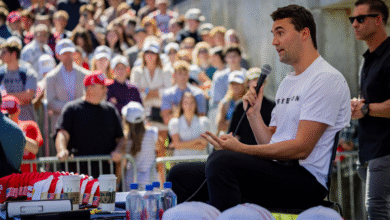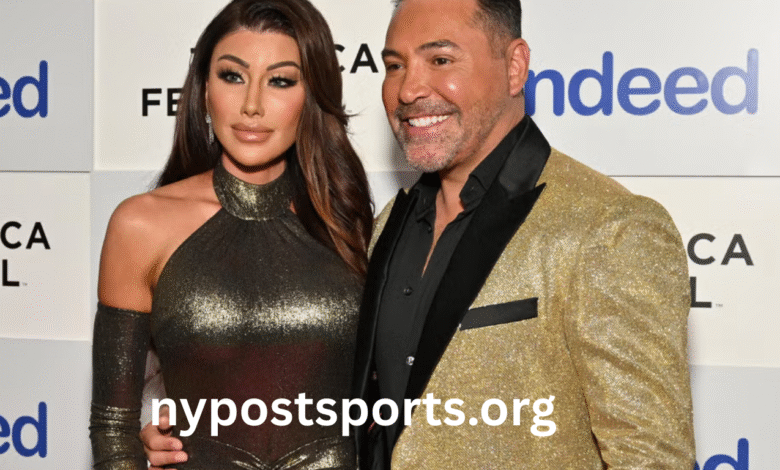
Oscar De La Hoya, often hailed as one of boxing’s brightest stars, has captivated fans around the world with his remarkable talent and unyielding spirit. Born into a family where boxing ran through their veins, he’s not just a fighter who’s won titles across multiple weight classes; he’s a symbol of perseverance and success. From his humble beginnings in East Los Angeles to becoming a global icon, Oscar De La Hoya’s story is one that inspires countless individuals to chase their dreams, no matter the odds. As we dive into his life, you’ll see how his experiences shape a legacy that’s still evolving today.
Early Life and Family Roots
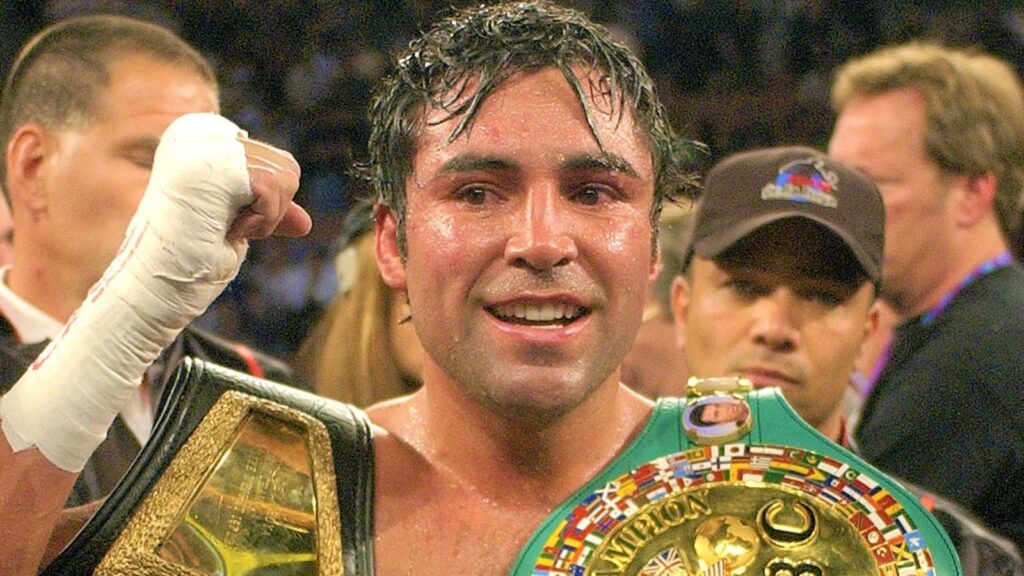
Growing up in the vibrant yet challenging neighborhoods of East Los Angeles, Oscar De La Hoya faced life’s punches early on. Born on February 4, 1973, he came from a lineage of boxers—his grandfather Vicente sparred as an amateur in the 1940s, and his father Joel Sr. stepped into the professional ring during the 1960s. Even his older brother Joel Jr. followed suit, making the sport a family tradition. It’s no wonder Oscar found his calling in boxing; it was practically in his blood.
Life wasn’t always easy, though. Raised in a working-class Mexican-American household, he navigated the streets of a tough area, but his family’s support kept him grounded. Graduating from James A. Garfield High School in 1991, Oscar balanced academics with his growing passion for the gloves. His mother, Cecilia Gonzales De La Hoya, played a pivotal role in his upbringing until her tragic passing from breast cancer in October 1990. That loss, heartbreaking as it was, fueled his determination to honor her memory through his achievements. Holding dual citizenship—American by birth and Mexican granted in 2002—Oscar De La Hoya proudly embraces his heritage, blending cultures in a way that’s enriched his identity.
Amateur Glory and Olympic Triumph
Before the bright lights of professional boxing, Oscar De La Hoya shone in the amateur ranks, building a foundation that would propel him to stardom. Starting at just 15, he clinched the national Junior Olympics title at 119 pounds, and soon after, the 125-pound crown. His amateur record? An impressive 234 wins, with 163 coming by knockout—talk about packing a punch! He even bested future rival Shane Mosley twice during those years.
The highlights kept coming. In 1989, at 16, he snagged the National Golden Gloves bantamweight title, defeating Ivan Robinson in a split decision. The following year, he became the youngest U.S. boxer to win gold at the Goodwill Games in Seattle, overcoming opponents like Airat Khamatov. But the pinnacle? The 1992 Barcelona Olympics, where he earned the lightweight gold medal, fulfilling a promise to his late mother. Beating Marco Rudolph in the final—avenging his only amateur loss—Oscar De La Hoya emerged as “The Golden Boy,” a nickname that stuck for good. His induction into the U.S. Olympic Hall of Fame in 2008 cements this chapter as a testament to his early prowess.
Professional Debut: A Star is Born
Turning pro in 1992, right after his Olympic victory, Oscar De La Hoya wasted no time making waves. His debut? A first-round knockout against Lamar Williams on November 23—wow, what an entrance! Under the guidance of skilled trainers, he quickly racked up wins, showcasing a blend of speed, power, and charisma that drew crowds.
By 1994, he’d captured his first world title, the WBO super featherweight belt, via a tenth-round TKO over Jimmi Bredahl. Defending it once more, he moved up in weight, always hungry for more challenges. It’s this relentless drive that set him apart; he wasn’t just fighting for wins, but for a legacy. Early on, Oscar De La Hoya generated buzz, earning The Ring magazine’s Fighter of the Year in 1995, proving he was here to stay.
Conquering Multiple Weight Classes
What truly sets Oscar De La Hoya apart is his unprecedented success across six weight divisions, winning 11 world titles along the way. Starting in super featherweight, he unified belts in lightweight by stopping Rafael Ruelas in the second round for the IBF title in 1995. Defenses against legends like Genaro Hernández and Jesse James Leija followed, each victory adding to his aura.
Moving to light welterweight, he dethroned Julio César Chávez in 1996 with a fourth-round TKO, claiming the WBC and lineal titles—a fight that electrified the boxing world. Welterweight saw him topple Pernell Whitaker in 1997, earning unanimous decision and the top pound-for-pound spot. He defended against Héctor Camacho and others, always pushing boundaries. In light middleweight, triumphs over Javier Castillejo and Fernando Vargas highlighted his versatility. Even in middleweight, he nabbed the WBO title against Felix Sturm in 2004. Oscar De La Hoya’s ability to adapt and conquer is nothing short of legendary.
Legendary Battles in the Ring
No story of Oscar De La Hoya is complete without recounting his epic clashes. Take the 1996 bout with Chávez—often called a passing of the torch. Despite Chávez’s protests, De La Hoya’s precision won the day. The rematch in 1998? Another TKO, solidifying his dominance.
Then there’s the controversial loss to Félix Trinidad in 1999, a majority decision many questioned, but De La Hoya bounced back with a knockout over Derrell Coley. Facing Shane Mosley twice, he lost both, yet those fights showcased his heart. The 2004 unification against Bernard Hopkins ended in a body shot KO, his first such loss, but hey, even greats have setbacks. His 2007 split decision defeat to Floyd Mayweather Jr. drew massive pay-per-view numbers, proving his drawing power. And the final bout against Manny Pacquiao in 2008? A corner stoppage, but it marked a graceful exit. Through it all, Oscar De La Hoya thrilled fans with unforgettable moments.
Challenges and Comebacks
Life in the spotlight isn’t without its hurdles, and Oscar De La Hoya has faced his share, emerging stronger each time. Injuries plagued him—wrist and hand issues forced surgeries—but he always returned with fire. After losing to Mosley in 2000, he took a break, only to come back and win the WBC light middleweight title in 2001.
Personal struggles added layers; substance abuse led to rehab stints in 2007 and 2013, and a DUI arrest in 2017 (charges later dismissed). In 2021, he bravely shared a childhood trauma, revealing a rape at 13, sparking conversations on mental health. Controversies like the 2007 cross-dressing photos, linked to cocaine use, tested his resolve. Yet, with optimism, he’s turned these into growth opportunities, advocating for recovery. Oscar De La Hoya’s resilience inspires many to overcome their own battles.
Venturing into Promotion: Golden Boy Promotions
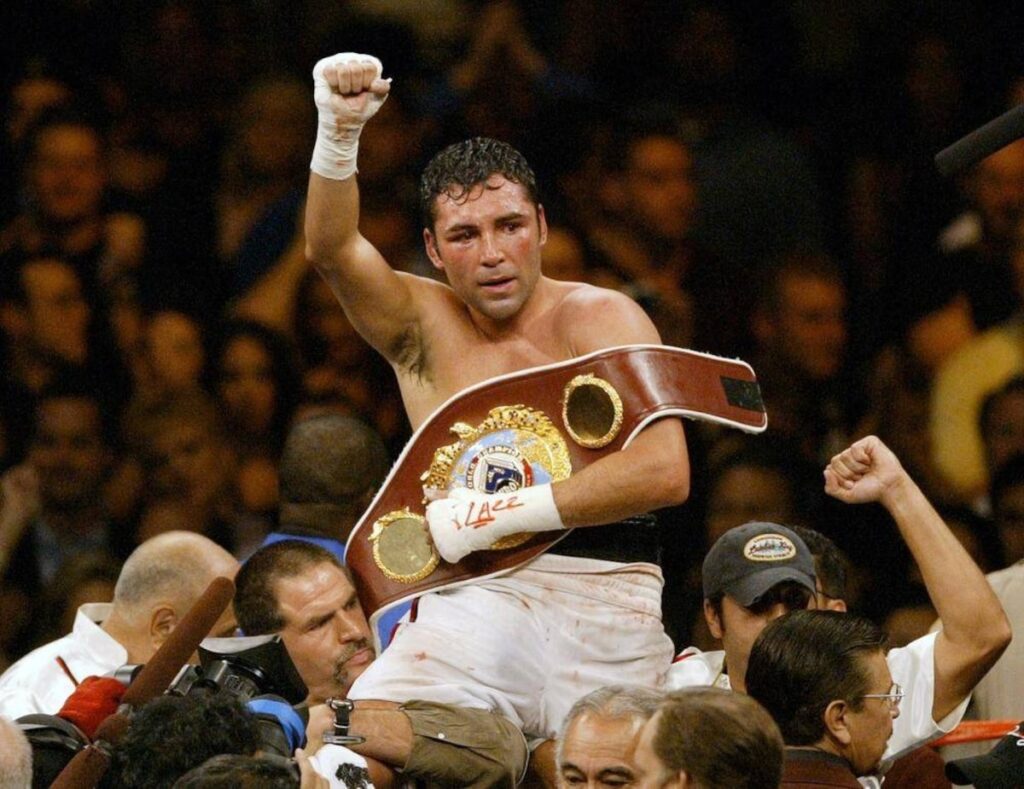
Retiring in 2009 with a 39-6 record (30 KOs), Oscar De La Hoya didn’t step away from boxing; he reinvented it. Founding Golden Boy Promotions in 2002—the first by a Mexican-American—he’s promoted stars like Canelo Álvarez and Ryan Garcia. Generating over $700 million in pay-per-view during his career, he applied that savvy to business.
Expanding into MMA in 2018 with events like Liddell vs. Ortiz, he’s diversified. Owning stakes in soccer teams like Houston Dynamo and launching apparel lines, his ventures show entrepreneurial flair. Acquiring The Ring magazine in 2007, he influences boxing media. In 2026, he’s active, previewing fights like Benavidez vs. Zurdo Ramírez and unveiling WBC “Crown Series” belts for Barrios vs. Garcia. Amid rivalries with Dana White, calling Zuffa Boxing a “failed science project,” Oscar De La Hoya keeps pushing the sport forward.
Philanthropy and Community Impact
Giving back has always been close to Oscar De La Hoya’s heart. Honoring his mother, he donated $350,000 to the Cecilia Gonzalez De La Hoya Cancer Center in 2000. In 2008, he contributed $3.5 million to the De La Hoya Animo Charter High School, aiding underprivileged youth in education.
His foundation focuses on community programs, from health initiatives to youth empowerment. Whether funding schools or cancer research, his efforts reflect a commitment to uplift others. It’s heartwarming to see how Oscar De La Hoya uses his platform for positive change, creating opportunities where they matter most.
Personal Journey and Resilience
On a personal note, Oscar De La Hoya’s life has been a mix of highs and lows. Married to Millie Corretjer from 2001 to 2016, they share three children, adding to his family of six kids total. Past relationships, like with Shanna Moakler, brought daughter Atiana into his world.
Facing demons head-on, he’s spoken openly about addiction, seeking help multiple times. Legal issues, including a settled 2001 allegation and a 2022 lawsuit (which he denies), haven’t defined him. Instead, they’ve highlighted his growth. Appearing on shows like The Masked Dancer (as Zebra in 2021) and The Masked Singer (as Fuzzy Peas in 2025), he shows a fun side. Even flirting with a 2018 presidential run against Trump, Oscar De La Hoya remains multifaceted and resilient.
Latest Ventures and News in 2026
As of 2026, Oscar De La Hoya continues to make headlines. He’s vocal about boxing’s landscape, criticizing Dana White’s ventures and calling out “lies.” Promoting events like Barrios vs. Garcia, he’s unveiled spectacular WBC belts and clarified Ryan Garcia’s future with Golden Boy. Amid disputes, like with Shakur Stevenson over fees, and unresolved issues with Vergil Ortiz, he slams moves like Conor Benn’s to Zuffa. Questioning “fishy” cancellations in co-mains, Oscar De La Hoya stays at the forefront, optimistic about boxing’s future.
Here’s a quick look at his recent involvements:
- Previewing major fights like Benavidez vs. Zurdo Ramírez on May 2, 2026.
- Holding court at post-fight pressers, engaging with fans and media.
- Negotiating deals for 2026-2027 with platforms like DAZN.
Legacy of Oscar De La Hoya
Ranked 16th greatest boxer by BoxRec, Oscar De La Hoya’s impact transcends records. With a statue at Staples Center unveiled in 2008, he’s immortalized. As a sextuple champion, he paved the way for multi-division success. His pay-per-view dominance—before Mayweather and Pacquiao overtook—changed the game.
Moreover, as a promoter, he’s elevated Latino fighters globally. Despite contested decisions and personal trials, his story is one of triumph. Inducted into halls of fame, Oscar De La Hoya inspires future generations to dream big.
| Achievement | Details | Year |
| Olympic Gold | Lightweight Division, Barcelona | 1992 |
| First World Title | WBO Super Featherweight | 1994 |
| Unified Lightweight | WBO & IBF Titles | 1995 |
| Lineal Welterweight | Defeated Pernell Whitaker | 1997 |
| Light Middleweight Wins | WBC, WBA, The Ring | 2001-2003, 2006 |
| Middleweight Title | WBO | 2004 |
| Retirement Record | 39-6 (30 KOs) | 2009 |
| Business Founded | Golden Boy Promotions | 2002 |
| Philanthropy Donation | Cancer Center | 2000 |
| Hall of Fame | U.S. Olympic | 2008 |
This table highlights key milestones, showing Oscar De La Hoya’s broad influence.
FAQs
What made Oscar De La Hoya known as “The Golden Boy”?
Oscar De La Hoya earned the nickname after his gold medal win at the 1992 Olympics, symbolizing his bright future and charismatic appeal in boxing.
How many world titles did Oscar De La Hoya win?
He captured 11 world titles across six weight classes, including lineal championships in three divisions, making him a rare sextuple champion.
What is Golden Boy Promotions, and why is it significant?
Founded by Oscar De La Hoya in 2002, it’s the first major promotion company by a Mexican-American, promoting top boxers and expanding into MMA, boosting diversity in combat sports.
Has Oscar De La Hoya faced any major personal challenges?
Yes, he’s openly discussed substance abuse, seeking treatment multiple times, and shared a childhood trauma, using these experiences to advocate for mental health awareness.
What are Oscar De La Hoya’s recent activities in 2026?
He’s actively promoting fights, criticizing rivals like Dana White, and negotiating deals, keeping Golden Boy at the heart of boxing’s evolution.
Conclusion
In wrapping up, Oscar De La Hoya stands as a beacon of achievement, from Olympic glory to business empire. His journey, filled with victories and valuable lessons, reminds us that true success comes from rising after falls. With an optimistic outlook, he continues shaping boxing’s future, inspiring all who follow. Indeed, the legacy of Oscar De La Hoya endures, proving that with heart and hustle, anything’s possible.