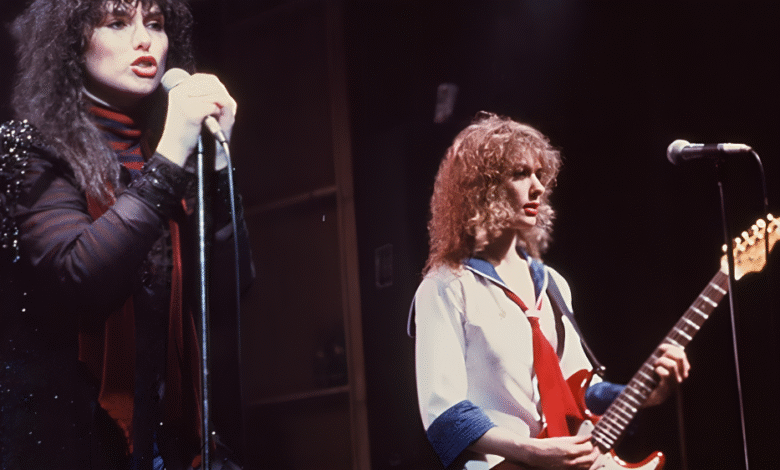
In the vibrant rock landscape of the 1980s, Nancy Wilson stood out as a dynamic force within the band Heart. As lead guitarist and backing vocalist, she helped propel the group to new commercial heights after early-decade struggles. The nancy wilson heart 80s era blended heartfelt songwriting with polished production, creating timeless anthems that resonated across generations. This period highlighted Nancy’s versatility, from intricate guitar riffs to memorable lead vocals on key tracks. Her contributions, alongside sister Ann Wilson, transformed Heart into MTV darlings while preserving their authentic rock spirit. Fans still celebrate this decade as a pinnacle of the band’s evolution and enduring appeal.
Heart’s Early 1980s Challenges and Reinvention
The early 1980s tested Heart’s resilience after their explosive 1970s fame. Albums such as Private Audition (1982) and Passionworks (1983) delivered solid rock but fell short of blockbuster sales, prompting their label departure. Nancy Wilson focused on songcraft and guitar innovation during this transitional phase, determined to adapt without losing the band’s core identity. The Wilson sisters navigated industry pressures while experimenting with fresher sounds suited to radio and video formats. This groundwork proved essential, paving the way for their triumphant return under a new label. The nancy wilson heart 80s journey truly began with renewed creative energy and strategic shifts.
The 1985 Breakthrough Album and Commercial Resurgence
Heart’s self-titled 1985 album marked a spectacular comeback under Capitol Records. It achieved five-times platinum status and spent 78 weeks on the Billboard charts, fueled by outside songwriters and refined production. Nancy Wilson’s guitar work anchored the record’s powerful sound, while her harmonies elevated every track. Hits like “What About Love” introduced the band to a broader pop-rock audience. The album’s success validated their willingness to evolve, blending arena-rock energy with accessible melodies. This release solidified the nancy wilson heart 80s as a defining chapter of mainstream dominance and artistic growth.
Nancy Wilson’s Dual Role as Guitarist and Vocalist
Nancy Wilson excelled both as rhythm and lead guitarist and as a featured vocalist throughout the decade. Her precise, emotive playing provided the backbone for Heart’s evolving style, moving seamlessly between acoustic ballads and electric-driven anthems. On the 1985 album, she delivered lead vocals on “These Dreams,” which became the band’s first number-one single in 1986. Her songwriting input added emotional depth and melodic sophistication. Nancy’s stage presence and studio versatility inspired countless female musicians in rock. These talents ensured Heart remained relevant amid shifting 1980s trends.
Chart-Topping Hits and MTV-Era Dominance
The mid-1980s delivered a string of massive singles that defined the nancy wilson heart 80s sound. Tracks such as “These Dreams,” “Never,” and “Nothin’ at All” dominated radio and MTV playlists, showcasing the band’s polished power-ballad approach. Nancy Wilson’s guitar solos and vocal layers added signature flair to each release. The visual appeal of music videos amplified their reach to younger fans. This era’s success reflected smart adaptation to the video age while retaining rock authenticity. Heart’s hits from this period continue to soundtrack nostalgic playlists and live performances worldwide.
The 1987 Bad Animals Album and Peak Popularity
Bad Animals (1987) elevated Heart’s momentum with even greater commercial triumph. The lead single “Alone” became the band’s second number-one hit and ranked among the year’s biggest songs. Nancy Wilson contributed driving rhythms and soaring harmonies that defined the album’s emotional core. Additional standouts like “Who Will You Run To” reinforced their arena-rock status. The record’s production balanced mainstream appeal with the sisters’ raw talent. This release cemented the nancy wilson heart 80s legacy as a time of sustained chart dominance and creative confidence.
Personal Milestones and Creative Influences in the Decade
Beyond music, Nancy Wilson experienced significant personal growth during the 1980s. Marriage to filmmaker Cameron Crowe in 1986 brought new perspectives that subtly influenced her songwriting and outlook. The Wilson sisters balanced intense touring schedules with family life while navigating the excesses of the rock scene. Nancy drew inspiration from diverse artists and the era’s cultural shifts, enriching Heart’s material. These experiences added authenticity to their lyrics and performances. Her grounded approach helped the band weather industry challenges without compromising values.
Enduring Legacy of the Nancy Wilson Heart 80s Era
The nancy wilson heart 80s period left an indelible mark on rock history through innovation and resilience. Nancy Wilson’s guitar mastery and vocal contributions helped Heart achieve multi-platinum success while inspiring future generations of women in music. The decade’s hits remain staples in classic-rock rotations and tribute performances. This era demonstrated that artistic evolution could coexist with commercial triumph. Fans and critics alike view it as proof of the band’s adaptability and Nancy’s pivotal role in sustaining Heart’s relevance. The music created continues to captivate new listeners decades later.
FAQs
Who is Nancy Wilson in the context of Heart’s 1980s success?
Nancy Wilson served as Heart’s lead guitarist, backing vocalist, and key songwriter. Her talents drove the band’s 1980s transformation and chart dominance.
What were Heart’s most important albums during the nancy wilson heart 80s era?
The self-titled Heart (1985) and Bad Animals (1987) stood out as multi-platinum releases packed with radio and MTV hits.
Which song gave Nancy Wilson her first lead-vocal number-one hit?
“These Dreams” from the 1985 album featured Nancy on lead vocals and topped the Billboard Hot 100 in 1986.
How did the 1980s music industry shape Heart’s sound?
Industry demands led to polished production and outside songwriters, helping the band blend rock roots with accessible power ballads for wider appeal.
What lasting impact did Nancy Wilson have on 1980s rock?
Nancy inspired female musicians through her guitar skills, stage presence, and songwriting, proving women could lead and innovate in a male-dominated genre.
Conclusion
The nancy wilson heart 80s era captured a remarkable chapter of rock evolution and triumph. Nancy Wilson’s guitar work, vocals, and songwriting propelled Heart from early-decade setbacks to multi-platinum glory with unforgettable hits and albums. This decade showcased the band’s ability to adapt while staying true to their passionate roots. Fans continue to cherish the music’s emotional depth and energetic spirit. Ultimately, Nancy’s contributions during these years cemented her status as a rock icon whose influence endures today. The legacy of this transformative period reminds us why Heart remains a beloved force in music history.