
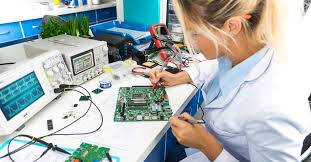
Repair work has always required technical skill and a lot of knowledge about the products. But in the last few years, the rise of new digital tools has changed what it means to run a successful repair shop. Things that used to take hours of typing now only take minutes. Before, workflows were spread out over notebooks, spreadsheets, and whiteboards.
Customers want faster updates, and technology has become the bridge that lets repair shops meet these needs with confidence. The change has been steady but clear, and the repair shops that are doing the best today are the ones that are accepting it.
The Shift from Manual to Automated Repair Processes
For a long time, owners of repair shops used handwritten tickets, loose paperwork, and physical logs to keep track of repairs. This method worked when there weren’t too many customers, but as demand grew and repairs got more complicated, the holes in manual tracking got bigger.
Technicians and customers were both confused by lost notes, unclear prices, missing device histories, and incomplete paperwork. Repair shop management software changed the game by giving every task a structured workflow that makes sure it is done the same way every time. Without having to chase down paperwork, shop owners can now log jobs, get diagnostics, assign technicians, and see how things are going in real time.
Better Accuracy in Invoices and Finances
For every repair company, controlling inventory has been one of the most challenging tasks throughout its history. When components are stored in the incorrect location, inventory counts are inconsistent, and lists of available products are outdated, it is difficult to provide accurate estimates or adhere to repair deadlines.
Real-time inventory systems that are integrated with repair tickets and sales have been developed by technology in order to address this issue. Stock levels are adjusted automatically whenever you make use of a component.
Shop owners are able to prevent delays by being informed before they run out of product, thanks to low-stock alerts. The utilization of historical data also assists retailers in making more intelligent inventory decisions and reducing the amount of waste they produce by providing a more accurate estimation of demand. As a consequence, the repair process is now more dependable, and there are fewer disruptions that have a negative impact on how satisfied customers are.
Tracking Inventory in Real Time
In the past, managing inventory has been one of the most difficult things for any repair shop. It’s hard to give accurate estimates or stick to repair deadlines when parts are in the wrong place, counting isn’t consistent, and stock lists are out of date.
Technology has solved this problem by making real-time inventory systems that work with repair tickets and sales. When you use a part, the stock levels change automatically. Low-stock alerts let shop owners know before they run out, which helps them avoid delays. Historical usage data also helps shops stock smarter and cut down on waste by making it easier to predict demand. The result is a repair process that is more reliable and has fewer interruptions that hurt customer satisfaction.
Intelligent Reporting
One of the best things about modern technology is that it lets us collect and study data. Repair shops used to work on gut feelings, but now they can look at detailed reports on things like how often customers come in, how often parts are used, how well technicians do their jobs, seasonal trends, and profit margins.
These tips help shop owners figure out what’s working and what needs to be fixed. They can use data instead of guesswork to decide which services to promote, which ones to stop offering, and how to divide up their staff. Small and medium-sized repair businesses could never have imagined having this much visibility, but technology has made it possible for everyone.
The Right Way to Grow a Repair Business
The use of technology has not only made the completion of everyday activities more convenient, but it has also altered the long-term trajectory of repair firms. Now, stores that previously depended on manual procedures are able to expand their enterprises, open up new sites, or provide new services with ease.
When they have centralized data, standardized processes, and automated systems at their disposal, business owners are able to spend less time extinguishing fires and more time expanding their enterprises. Customers also believe that businesses that are managed digitally are more trustworthy and reliable, which increases the likelihood that they will return to the firm and spread the word to others about it.
Final Thoughts
Technological progress has had a much bigger impact on the repair industry than just making things easier to do. Repair shops that combine technical know-how with advanced digital systems will have a better future because they will be able to provide a smoother and more reliable experience for all of their customers.
