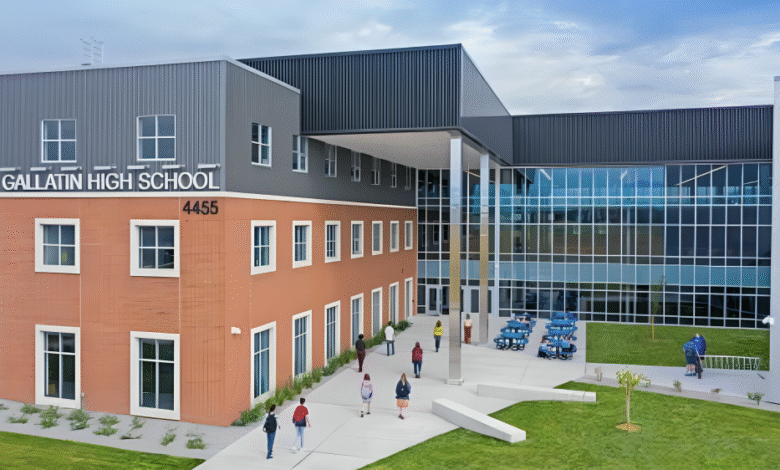
Escuela secundaria serves as a vital bridge between primary schooling and higher education, shaping adolescents into informed, capable individuals ready for future responsibilities. Typically spanning ages 12 to 18, this educational stage emphasizes deeper academic exploration, skill development, and character building. In Spanish-speaking regions, the term escuela secundaria distinctly refers to this level, where students encounter more specialized subjects and greater independence. Families and educators alike recognize its role in fostering critical thinking and social awareness. By delving into its structure and benefits, one gains a clearer picture of how escuela secundaria equips youth for lifelong success in an ever-evolving world.
The Role of Escuela Secundaria in Personal Development
During escuela secundaria, students experience significant personal growth as they transition from childhood dependency to teenage autonomy. This phase nurtures emotional intelligence, resilience, and decision-making abilities through structured guidance and peer interactions. Teachers encourage self-reflection and goal-setting, helping learners discover their strengths and interests. Such development extends beyond academics, preparing individuals for real-world challenges like teamwork and ethical choices. Ultimately, the supportive environment of escuela secundaria lays a strong foundation for confident, well-rounded adults who contribute positively to society.
Curriculum Overview in Escuela Secundaria
The curriculum in escuela secundaria balances core subjects with elective options to provide a well-rounded education. Students typically study mathematics, sciences, literature, history, and languages, gaining both theoretical knowledge and practical applications. Modern programs often integrate technology and project-based learning to enhance engagement. This approach ensures that learners not only memorize facts but also develop analytical skills applicable to daily life. By aligning content with global standards, escuela secundaria prepares students for diverse career paths while respecting cultural contexts unique to each region.
Teaching Approaches and Classroom Innovations
Educators in escuela secundaria employ interactive methods such as group discussions, digital tools, and hands-on experiments to stimulate curiosity. These strategies shift from rote learning toward collaborative problem-solving, making lessons more relevant and memorable. Professional development for teachers ensures they adapt to varied learning styles, including those of students with special needs. Technology platforms further personalize instruction, allowing real-time feedback and access to global resources. Such innovations in escuela secundaria create dynamic classrooms that inspire motivation and long-term academic interest among teenagers.
Extracurricular Opportunities and Holistic Growth
Beyond academics, escuela secundaria offers a rich array of extracurricular activities including sports, arts, clubs, and community service projects. Participation builds leadership, discipline, and interpersonal skills that complement classroom learning. Many schools organize events like science fairs or cultural festivals to celebrate diversity and creativity. These experiences foster a sense of belonging and teach valuable lessons in time management and collaboration. Through balanced involvement, students in escuela secundaria develop holistic profiles that universities and employers highly value.
Common Challenges Faced by Students in Escuela Secundaria
Adolescents in escuela secundaria often navigate academic pressure, social adjustments, and identity formation simultaneously. Issues like bullying, mental health concerns, or family expectations can impact performance if left unaddressed. Schools increasingly implement counseling services and wellness programs to support emotional well-being. Effective communication between parents, teachers, and students helps mitigate these obstacles early. Recognizing and tackling challenges ensures that the journey through escuela secundaria remains empowering rather than overwhelming for young learners.
Preparing Students for Higher Education and Career Paths
Escuela secundaria plays a decisive role in guiding students toward post-secondary options through career counseling and advanced coursework. Orientation sessions introduce university requirements, vocational training, and scholarship opportunities. Skill-building workshops focus on resume writing, interview techniques, and digital literacy. By the final years, learners gain clarity on their aspirations, whether in sciences, humanities, or trades. This forward-looking approach in escuela secundaria equips graduates with the confidence and competence needed to thrive in competitive higher education and professional environments.
Global Perspectives on Escuela Secundaria
Around the world, variations of escuela secundaria reflect local cultural and economic priorities while sharing universal goals of empowerment. In Latin America, emphasis often lies on community values and bilingual education, whereas European models may prioritize early specialization. International exchange programs allow students to compare systems and broaden horizons. Despite differences, the core mission remains consistent: developing adaptable citizens. Exploring these global views highlights how escuela secundaria adapts to societal needs without losing its fundamental purpose of educational excellence.
FAQs
What exactly defines escuela secundaria and how does it differ from primary school?
Escuela secundaria marks the secondary education phase following primary school, focusing on advanced subjects, critical analysis, and greater student independence. Unlike primary levels that emphasize basic literacy and numeracy, it introduces specialized knowledge and prepares teens for adult responsibilities. This distinction ensures progressive skill development tailored to adolescent growth needs across various countries.
How long does a typical escuela secundaria program last?
Most escuela secundaria programs span three to six years, depending on the national education system and whether it includes middle or high school components. Students usually enter around age 12 and complete studies by 17 or 18. The duration allows sufficient time for both academic mastery and personal maturation before transitioning to university or vocational training.
What subjects are commonly taught in escuela secundaria?
Core subjects in escuela secundaria include mathematics, natural sciences, language arts, history, geography, and foreign languages. Electives often cover technology, arts, physical education, and ethics to promote well-rounded development. These offerings adapt to regional standards while ensuring students acquire essential knowledge for future academic or career pursuits.
How can parents support their child’s success in escuela secundaria?
Parents can support success by maintaining open communication with teachers, encouraging consistent study habits, and promoting balanced extracurricular involvement. Attending school events and monitoring emotional well-being also prove invaluable. Such active participation strengthens the home-school partnership essential for positive outcomes during this formative stage.
Conclusion
escuela secundaria stands as a cornerstone of education that cultivates knowledge, skills, and character essential for lifelong achievement. From its structured curriculum and innovative teaching methods to extracurricular richness and future-oriented guidance, every element contributes to holistic student development. Addressing challenges proactively while embracing global best practices ensures its continued relevance. Ultimately, investing in quality escuela secundaria experiences empowers generations to navigate an interconnected world with confidence, creativity, and purpose. This foundational stage remains indispensable for building informed societies and successful individuals.