
As we step into the vibrant season of renewal, daylight savings 2026 brings a fresh wave of optimism, reminding us how a simple clock adjustment can brighten our days. Hey, who doesn’t love those longer evenings that stretch out like a warm invitation to enjoy the outdoors? This year, on March 8, 2026, most folks in the United States will spring forward, losing an hour but gaining that precious extra daylight in the evenings. It’s a tradition that’s been around for ages, and while it might ruffle a few feathers at first, the perks often shine through, making life feel a tad more lively and productive.
In this article, we’ll dive deep into everything you need to know about daylight savings 2026. From its roots to how it plays out across the globe, we’ll explore the upsides, the challenges, and even handy tips to make the switch as smooth as butter. Drawing from reliable sources and expert insights, we’ll paint a picture that’s not just informative but also uplifting—because, after all, more sunlight means more chances to seize the day!
The Origins of Daylight Savings
Let’s rewind the clock a bit, shall we? The idea of daylight savings didn’t just pop up out of nowhere; it’s got a fascinating backstory that shows human ingenuity at work. Back in the late 1800s, a New Zealand bug enthusiast named George Hudson dreamed up the concept to squeeze in more time for his hobby after work. Imagine that—chasing butterflies leading to a worldwide time tweak! But it was Benjamin Franklin who first joked about it in 1784, suggesting Parisians could save on candles by rising earlier.
Fast forward to the early 1900s, and things got serious. During World War I, Germany flipped the switch on daylight savings in 1916 to conserve coal, and soon, other countries followed suit like dominoes. The United States jumped on board in 1918 with the Standard Time Act, aiming to cut energy use during the war. Oh, the irony—war sparking something that now lets us enjoy peaceful summer barbecues longer!
Over the years, it’s evolved. In the U.S., it was repealed after the war but brought back during World War II as “War Time.” By 1966, the Uniform Time Act standardized it, and in 2005, the Energy Policy Act stretched it out a bit more. Today, daylight savings 2026 continues this legacy, helping us make the most of natural light in a world that’s always on the go. It’s a nod to our ancestors’ cleverness, and hey, it keeps things interesting twice a year!
How Daylight Savings 2026 Operates in the United States
Picture this: It’s 2 a.m. on Sunday, March 8, 2026, and poof—clocks jump to 3 a.m. That’s the magic of daylight savings 2026 kicking off in most U.S. states. We “spring forward,” losing that hour but gaining brighter evenings until November 1, when we “fall back” at 2 a.m. It’s like nature’s way of saying, “Hey, let’s extend happy hour!”
Not everyone joins the fun, though. Arizona (except the Navajo Nation) and Hawaii stick to standard time year-round, along with U.S. territories like Puerto Rico and Guam. Why? Well, their sunny climates don’t need the extra tweak. For the rest of us, it’s governed by federal law, but states can opt out if they choose standard time permanently.
Here’s a quick table to break down the key dates for daylight savings 2026 in the U.S.:
| Event | Date | Time Change | What Happens |
| Start (Spring Forward) | March 8, 2026 | Clocks move from 2 a.m. to 3 a.m. | Lose 1 hour; more evening light |
| End (Fall Back) | November 1, 2026 | Clocks move from 2 a.m. to 1 a.m. | Gain 1 hour; earlier sunsets |
This setup, in place since 2007, aligns with energy-saving goals and boosts outdoor activities. Sure, it might feel a bit jarring at first, but think of it as a gentle nudge toward warmer, sunnier days ahead.

Daylight Savings 2026 Around the World
Daylight savings 2026 isn’t just an American thing—it’s a global dance with time that varies like flavors in an ice cream shop. In Europe, most countries spring forward on the last Sunday in March and fall back on the last Sunday in October. Down under in Australia, states like New South Wales and Victoria start in early October and end in early April, flipping the script for their Southern Hemisphere summers.
But not everyone’s on board. Countries like Japan, India, and China skip it altogether, keeping steady time year-round. In Africa, only a handful, such as Morocco and Egypt, observe it sporadically. And get this: In 2026, places like Cuba and Haiti sync up with the U.S. schedule, starting March 8.
- Northern Hemisphere Highlights: Europe, North America, and parts of Asia embrace it for longer summer days.
- Southern Hemisphere Twists: Australia and New Zealand adjust in their spring (our fall) for beach-ready evenings.
- Opt-Out Nations: Russia ditched it in 2014, finding the switches too disruptive.
This patchwork shows how daylight savings 2026 adapts to local needs, fostering a sense of global unity in chasing the sun. It’s heartening to see how cultures worldwide find ways to harmonize with nature’s rhythms.
The Bright Sides of Daylight Savings 2026
On the bright side—and there are many—daylight savings 2026 packs a punch of positives that can make you smile. First off, those extended evenings? They’re a game-changer for safety. Studies show fewer pedestrian accidents and lower crime rates with more light after work. Imagine walking home without rushing against the dark—pure bliss!
Economically, it’s a booster shot. Retailers love it because folks shop more when the sun’s still up, pumping money into local businesses. Tourism thrives too, with extra time for outdoor adventures like golf or picnics. And let’s not forget energy savings—though modest now, it originally cut down on lighting needs.
- Safer roads and communities.
- Boosted economy through increased activity.
- More time for family and fun outdoors.
In daylight savings 2026, these perks remind us that a little change can lead to big, sunny rewards. It’s all about looking on the optimistic side!
Navigating the Challenges of Daylight Savings 2026
Of course, no rose without a thorn, right? Daylight savings 2026 has its hiccups, like that groggy feeling from losing an hour’s sleep in spring. Health experts note spikes in heart issues and accidents right after the switch, tied to disrupted sleep patterns. Yikes, but knowledge is power—we can prepare!
Productivity might dip briefly as bodies adjust, and farmers often grumble about mismatched schedules with nature. Yet, these are short-term bumps. With a positive mindset, we can turn them into opportunities for better habits.
- Temporary sleep disruptions leading to fatigue.
- Potential health risks like increased strokes.
- Economic dips in some sectors, like farming.
However, by focusing on the long-term gains, daylight savings 2026’s challenges become mere stepping stones to brighter days.
Practical Tips for Adjusting to Daylight Savings 2026
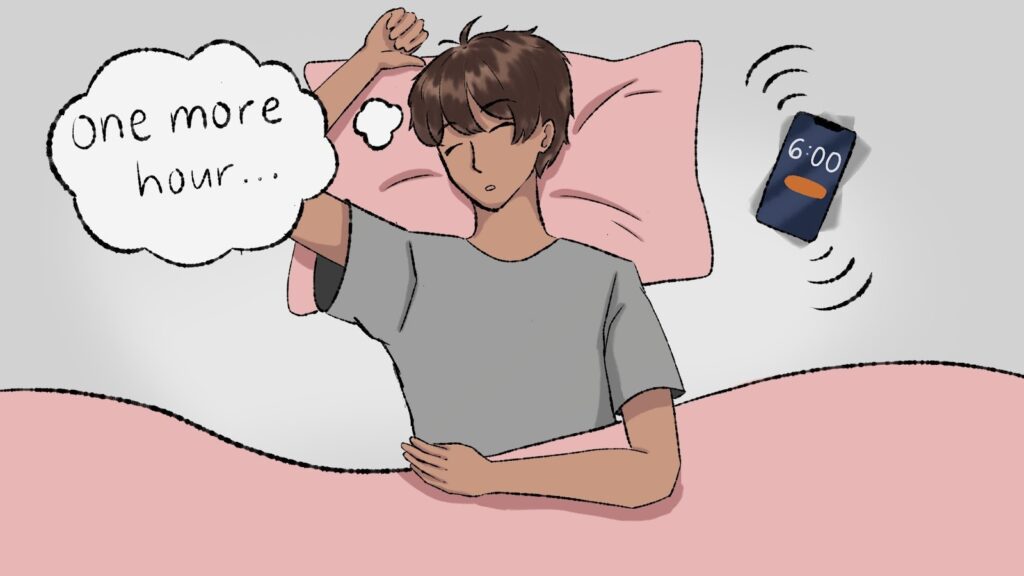
Adjusting to daylight savings 2026 doesn’t have to be a drag—think of it as a fresh start! Start by easing into it: Shift your bedtime 15-20 minutes earlier each night leading up to March 8. That way, the lost hour won’t hit like a ton of bricks.
Get moving in the morning sunlight— a brisk walk can reset your internal clock like magic. And avoid caffeine late in the day; it’ll help you wind down naturally.
- Expose yourself to bright light early to perk up.
- Stick to routines, like meals and exercise, for stability.
- Consider a short nap if needed, but keep it under 20 minutes.
- Hydrate and eat light to combat any sluggishness.
With these tricks up your sleeve, you’ll breeze through daylight savings 2026, feeling energized and ready to soak up the sun.
The Evolving Future of Daylight Savings
Looking ahead, the future of daylight savings sparkles with possibilities. In the U.S., bills like the Sunshine Protection Act aim to make it permanent, ending the biannual flips. Even President Trump has voiced support for ditching the changes. Wow, imagine no more clock confusion!
Globally, some countries have already waved goodbye, like Russia in 2014. Studies suggest permanent standard time could cut health risks, like fewer strokes. But optimism reigns—whatever happens, it’s about better aligning with our lives.
- Potential shift to permanent DST for year-round evenings.
- Health-driven push for standard time.
- State-level experiments paving the way.
Daylight savings 2026 might be a stepping stone to a steadier, sunnier tomorrow.
FAQs
Amid the debates, daylight savings 2026 stands as a beacon of hope, encouraging us to embrace change with open arms. It reminds us that small adjustments can lead to brighter outcomes, like more time for joy and connection. Sure, the transition might sting a bit, but on the flip side, it heralds spring’s arrival, full of promise.
Experts agree: The extra light boosts moods and activity levels, fighting off winter blues. It’s like nature’s antidepressant, dangling the carrot of longer days. By viewing it positively, we build resilience and look forward to what’s next.
Conclusion
In wrapping up, daylight savings 2026 offers a golden opportunity to realign with the sun’s generous glow. We’ve journeyed through its history, mechanics, global vibes, pros, cons, tips, and future— all pointing to a practice that’s evolving but enduring.
To conclude with five key takeaways:
- First, remember the dates: March 8 start, November 1 end—mark your calendars!
- Second, prioritize health by adjusting gradually; your body will thank you.
- Third, celebrate the benefits, like safer streets and economic lifts.
- Fourth, stay informed on potential changes; the future looks bright.
- Fifth, approach it with optimism—daylight savings 2026 is your ticket to more vibrant living.