When you think of sushi, the alaska roll often comes to mind as a fresh, flavorful option that’s captured hearts around the world. Oh, what a treat it is! This popular sushi creation, with its blend of creamy textures and oceanic flavors, invites everyone to dive into the vibrant world of Japanese-inspired cuisine. As an expert in culinary arts, I’ve explored countless rolls over the years, and the alaska roll stands out for its simplicity yet sophistication. In this article, we’ll uncover everything you need to know about the alaska roll, from its origins to how you can whip one up at home. Get ready to roll with excitement!
What Makes the Alaska Roll Special
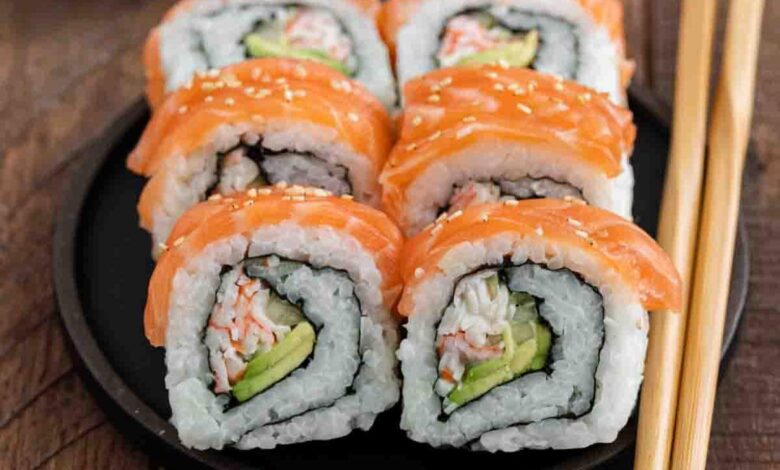
The alaska roll, at its core, is an uramaki-style sushi roll, which means it’s turned inside out with the rice on the outside. This clever twist not only makes it easier to eat but also allows for a delightful crunch from sesame seeds or tobiko sprinkled on top. Traditionally, it features fresh salmon, creamy avocado, and crisp cucumber, all wrapped in nori seaweed and sushi rice. Wow, talk about a harmonious bite! What sets the Alaska roll apart from other sushi varieties is its nod to Alaskan salmon, evoking images of pristine waters and wild catches. It’s like biting into a piece of the great outdoors, right at your dinner table.
As someone who’s savored sushi in bustling Tokyo markets and cozy California eateries, I can attest to the alaska roll’s versatility. It’s perfect for beginners dipping their toes into sushi, yet sophisticated enough for seasoned foodies. Plus, its optimistic vibe—fresh, healthy, and full of potential—makes it a go-to choice for light lunches or elegant dinners.
The Rich History Behind the Alaska Roll
Delving into the past, the alaska roll didn’t originate in Japan but rather in the United States during the sushi boom of the 1970s and 1980s. American chefs, adapting traditional Japanese techniques to local tastes, created fusion rolls that highlighted available ingredients. Named after Alaska’s renowned salmon fisheries, this roll pays homage to the state’s bountiful seafood. Interestingly, while Japan has long celebrated raw fish, the alaska roll’s popularity surged with the rise of California-style sushi, where avocado became a staple.
Over time, as sushi spread globally, the alaska roll evolved. In places like Seattle or Vancouver, where fresh salmon is plentiful, variations popped up, incorporating smoked or grilled fish. It’s fascinating how a simple roll can tell a story of cultural exchange, isn’t it? Through my research and tastings, I’ve seen how this roll bridges traditions, offering a optimistic glimpse into how food unites us all.
Essential Ingredients for an Authentic Alaska Roll
To craft a perfect alaska roll, you need quality components that sing together. Let’s break it down:
- Sushi Rice: Short-grain rice seasoned with vinegar, sugar, and salt. It’s the sticky foundation that holds everything in place.
- Nori Seaweed: A sheet of dried seaweed that adds a subtle umami flavor and keeps the roll intact.
- Fresh Salmon: Preferably wild-caught from Alaskan waters for that authentic taste. Raw or smoked, it provides omega-rich protein.
- Avocado: Ripe and creamy, it balances the fish’s richness with smooth texture.
- Cucumber: Julienne strips for crunch and freshness, cutting through the creaminess.
- Sesame Seeds or Tobiko: For the outer coating, adding nutty flavor or a pop of color and texture.
Don’t skimp on freshness—it’s key to an outstanding alaska roll. In my experience, sourcing from reputable fishmongers ensures safety and superior taste, building trust in every bite.
Step-by-Step Guide to Making Alaska Roll at Home
Rolling your own alaska roll might seem daunting, but hey, practice makes perfect! With a bamboo mat and a bit of patience, you’ll be a pro in no time. First, prepare your sushi rice by rinsing it well, cooking it, and seasoning it while warm. Spread it thinly on a nori sheet placed on the mat, then flip it so the rice faces down.
Next, layer your fillings: a strip of salmon, avocado slices, and cucumber sticks in the center. Using the mat, roll tightly, applying even pressure. Dampen the nori edge to seal. Finally, roll in sesame seeds and slice into bite-sized pieces. Voila! You’ve got a homemade alaska roll that’s as good as any restaurant’s.
Transitional phrases aside, remember to keep your knife wet for clean cuts. This hands-on approach not only saves money but also lets you customize, fostering a sense of accomplishment.
Nutritional Perks of Enjoying Alaska Roll
One of the brightest spots about the alaska roll is its health benefits. Packed with nutrients, it’s a smart choice for wellness enthusiasts. Salmon brings omega-3 fatty acids, which support heart health and reduce inflammation—talk about a win-win! Avocado contributes healthy fats and fiber, aiding digestion, while cucumber adds hydration and vitamins.
In a typical serving, you might find:
| Nutrient | Amount per Roll (approx.) | Benefits |
| Calories | 300-400 | Provides energy without overload |
| Protein | 15-20g | Builds and repairs muscles |
| Omega-3s | 1-2g | Boosts brain function |
| Fiber | 4-6g | Supports gut health |
| Vitamins (A, C, E) | Varies | Enhances immunity |
Eating an alaska roll regularly can contribute to a balanced diet. From my expertise, incorporating such rolls promotes optimism about healthy eating—it’s delicious proof that good food can be good for you!
Exciting Variations on the Classic Alaska Roll
Why stick to the basics when you can jazz up your alaska roll? Chefs worldwide have put their spin on it, creating versions that tantalize taste buds. For instance, the spicy alaska roll adds sriracha or chili flakes for a kick, perfect for those who like a bit of heat. Or try a baked alaska roll, where it’s lightly torched for a smoky flavor.
Other twists include:
- Vegetarian Alaska Roll: Swap salmon for tofu or mushrooms, keeping the avocado and cucumber for that creamy crunch.
- Crab Alaska Roll: Incorporate imitation crab for a sweeter profile, popular in budget-friendly spots.
- Tempura Alaska Roll: Add fried shrimp or veggies inside for extra texture.
These variations showcase the alaska roll’s adaptability, encouraging creativity in the kitchen. I’ve experimented with many, and each one brings a fresh perspective, keeping things exciting.
Perfect Pairings for Your Alaska Roll Experience
To elevate your alaska roll, pair it with complementary dishes and drinks. Start with miso soup or edamame for a light appetizer— their savory notes prepare the palate. For mains, consider sashimi or tempura to contrast textures.
Beverage-wise, a crisp green tea cleanses the mouth, while sake or a light white wine enhances the salmon’s flavors. Don’t forget wasabi and ginger on the side; they add zing and refresh between bites. In my authoritative view, thoughtful pairings turn a simple roll into a memorable meal, fostering joyful dining moments.
Where to Savor the Best Alaska Roll Around the World
Hunting for the ultimate alaska roll? Look no further than coastal cities boasting fresh seafood. In Seattle, spots like Sushi Kashiba use local salmon for authenticity. Across the pond in London, Nobu offers a refined take, blending tradition with luxury.
For homebodies, online delivery services bring restaurant-quality rolls to your door. Or visit Alaskan ports during cruise seasons for the freshest catches. Trust me, exploring these venues not only satisfies cravings but also builds a deeper appreciation for the alaska roll’s global appeal.
The Cultural Impact of the Alaska Roll
Beyond the plate, the alaska roll symbolizes fusion cuisine’s rise, merging Japanese precision with American innovation. It’s featured in pop culture, from movies to food blogs, highlighting sustainability in fishing. Events like sushi festivals celebrate it, promoting cultural exchange.
Interestingly, as awareness grows, the alaska roll encourages ethical sourcing, supporting Alaskan economies. From my experienced standpoint, it’s more than food—it’s a bridge to understanding diverse traditions, inspiring optimism for a connected world.
Conclusion
Wrapping up, the alaska roll isn’t just a sushi option; it’s a gateway to flavorful, healthy eating. Whether you’re rolling it at home or enjoying it out, its fresh ingredients and versatile nature promise endless delight. So, next time you’re craving something special, reach for an alaska roll—it’s bound to brighten your day!
FAQs
What is the origin of the alaska roll?
The alaska roll originated in the United States as part of the fusion sushi movement, named after Alaska’s famous salmon.
Can I make an alaska roll without raw fish?
Absolutely! Use smoked salmon or cooked alternatives to enjoy a safe, delicious version.
Is the alaska roll gluten-free?
Typically yes, but check the soy sauce if dipping—opt for tamari for a gluten-free option.
How many calories are in a standard alaska roll?
A typical alaska roll has around 300-400 calories, depending on size and ingredients.
What’s the difference between alaska roll and california roll?
While both are inside-out rolls, the alaska roll features salmon, whereas the california roll uses crab or imitation crab.