Choosing the right pacifier for your baby might seem like a small decision, but for many parents, it makes a big difference in comfort, safety, and peace of mind. With so many shapes, sizes, and materials available, it’s easy to feel overwhelmed. The good news? By understanding a few key factors, you can confidently pick a pacifier that supports your baby’s needs and fits your parenting style.
Start With the Right Material
Pacifiers come in different materials, but silicone is the most popular option among modern parents. It’s durable, easy to clean, and resistant to retaining odors. Silicone pacifiers also maintain their shape better than latex, making them a reliable choice for long-term use. When shopping, look for medical-grade or BPA-free silicone to ensure you’re getting a safe and high-quality product. In fact, many high-end pacifiers are manufactured using silicone molded parts, which are known for their precision and durability.
If your baby has a latex allergy or sensitivity, silicone is the safest choice. Latex pacifiers are softer and more flexible, but they wear out faster and aren’t suitable for babies with sensitivities. No matter the material, remember to replace pacifiers regularly, especially if you notice tears, stickiness, or discoloration.
Choose the Right Nipple Shape
Pacifier nipples typically come in two main shapes: orthodontic and round (also called conventional).
Orthodontic nipples are designed to support healthy oral development. They feature a flat bottom and a rounded top, mimicking the natural shape of a mother’s nipple during breastfeeding. This makes them a popular choice for parents who want to help reduce the risk of dental issues as the baby grows.
Round nipples are the traditional style and are often preferred by babies who find comfort in a more natural, symmetric shape. If your baby doesn’t take to an orthodontic nipple, a round one may feel more familiar and soothing.
Because every baby has unique preferences, you may need to try both shapes to see which your little one likes best.
Pick the Proper Size
Pacifiers are not one-size-fits-all. They are typically labeled by age groups such as 0–3 months, 3–6 months, and 6–18 months. Choosing the correct size ensures the pacifier fits comfortably in your baby’s mouth and doesn’t pose a choking hazard.
A pacifier that’s too small may not stay in place, while one that’s too large can feel uncomfortable or overwhelming. If you’re unsure, follow the manufacturer’s guidelines and observe how your baby reacts. A properly sized pacifier should stay secure without constant readjustment.
Look for Safe Shield Design
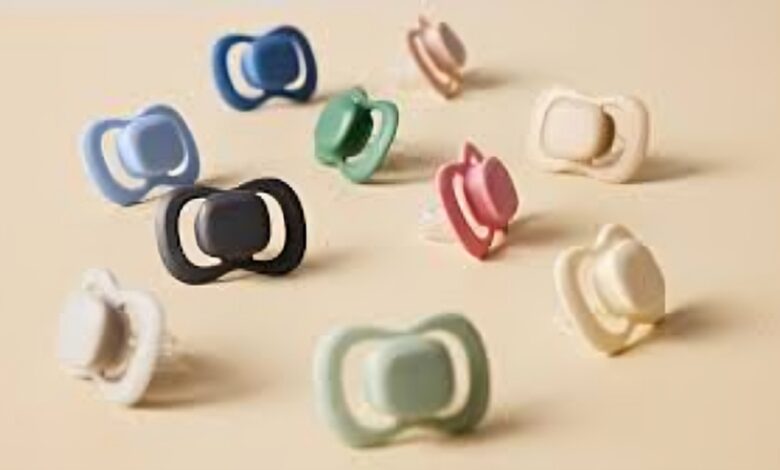
The shield—the part of the pacifier that rests against the baby’s lips—is just as important as the nipple. It should be large enough that your baby can’t fit it entirely into their mouth. Look for ventilation holes, which reduce skin irritation and allow airflow to prevent moisture buildup.
Many parents prefer one-piece pacifiers because they have no detachable parts that could break off. One-piece designs also tend to be easier to clean and less likely to harbor bacteria.
Consider Ease of Cleaning
Pacifiers require frequent cleaning, especially in the early months. Choose one that can be boiled, sterilized in a machine, or washed easily with warm soapy water. Avoid models with small crevices or multiple parts, as they can trap moisture and bacteria.
Silicone pacifiers, in particular, withstand high heat and frequent sterilization better than latex alternatives. If you’re a parent on the go, look for pacifiers that include a storage case to keep things clean when you’re out and about.
Think About Your Baby’s Comfort
Comfort is key. Some pacifiers come with textured surfaces, glow-in-the-dark handles, or lightweight designs that are easier for small mouths to hold. While added features can be helpful, your baby’s preference ultimately matters most. Don’t be surprised if your little one develops a strong opinion about which pacifier feels best!
Test and Observe
It’s normal to try a few different pacifiers before finding “the one.” Babies have their own preferences, so pay attention to how your child responds. A little trial and error is completely expected.
When introducing a pacifier, watch how your baby sucks, whether they seem content, and how often it falls out. A good pacifier will soothe without constant adjustments.
Choosing the right pacifier doesn’t have to be stressful. With attention to material, shape, size, safety, and comfort, you can find a pacifier that keeps your baby calm and happy. Trust your instincts, observe your baby’s needs, and don’t be afraid to explore different options. A tiny tool can make a big difference in creating a more peaceful, soothing experience for both you and your little one.