Understanding the Charlie Kirk Death Hoax Separating Facts from Fiction
Charlie Kirk, the influential conservative activist and co-founder of Turning Point USA, became the center of intense public scrutiny following his tragic assassination on September 10, 2025. While official reports confirmed his death after he was shot during a campus event in Utah, a wave of online speculation quickly gave rise to the charlie kirk death hoax. These claims suggested the incident was staged or fabricated, fueling widespread confusion among the general public. This article explores the verified events surrounding Kirk’s passing and examines how misinformation spread so rapidly in the digital age. By focusing on credible sources and logical analysis, it aims to provide clarity for readers seeking straightforward answers amid the noise.
Who Was Charlie Kirk?
Charlie Kirk rose to prominence as a dynamic voice in American conservative politics, founding Turning Point USA in 2012 at the age of 18 to empower young people with conservative principles on college campuses. Over the years, he built a massive following through his podcast, public speaking engagements, and close alignment with figures like Donald Trump, mobilizing youth voters effectively. Kirk’s work emphasized free speech, limited government, and traditional values, making him a polarizing yet significant figure in national discourse. His sudden death at age 31 shocked supporters and critics alike, highlighting the intense passions surrounding political activism in the United States. Understanding his background helps contextualize why his passing triggered such polarized reactions and subsequent hoax narratives.
The Assassination at Utah Valley University
On September 10, 2025, Charlie Kirk was speaking at an outdoor Turning Point USA event at Utah Valley University in Orem, Utah, when a sniper’s bullet struck him in the neck. Eyewitness accounts and video footage captured the chaotic moments as he was rushed to a nearby hospital, where he was pronounced dead shortly after. Authorities later identified 22-year-old Tyler James Robinson as the suspect, who surrendered the following day. The public nature of the attack, combined with graphic images circulating online, amplified immediate shock and grief across political lines. This real-time tragedy set the stage for the charlie kirk death hoax as some observers questioned the authenticity of the unfolding events.
Official Reports and Confirmation
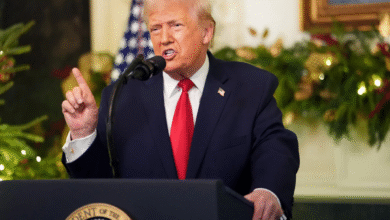
Law enforcement and medical officials quickly verified Kirk’s death through hospital records, autopsy reports, and public statements from family and associates. President Donald Trump announced the news on social media, expressing condolences and praising Kirk’s legacy. Multiple mainstream outlets, including NPR and CNN, corroborated the details with timelines, official briefings, and evidence from the scene. Despite this transparency, skepticism persisted in certain online circles, where users demanded more proof or alleged inconsistencies. These early confirmations formed the factual foundation against which the emerging charlie kirk death hoax claims were later measured and debunked.
The Spread of the Charlie Kirk Death Hoax
In the hours and days following the assassination, social media platforms became flooded with posts declaring the charlie kirk death hoax a staged event designed for political gain. Viral videos and memes suggested everything from body doubles to crisis actors, gaining millions of views before fact-checkers could respond. Conspiracy communities amplified these ideas, drawing parallels to past high-profile incidents. The rapid dissemination was aided by algorithms that prioritized sensational content, turning genuine mourning into a battleground of competing narratives. This phenomenon underscored how quickly unverified information can overshadow established facts in today’s interconnected world.
Key Elements of the Hoax Claims
Common threads in the charlie kirk death hoax included allegations of fake footage, misidentified shooters, and claims that Kirk was still alive or hidden for strategic reasons. Some theories labeled the event a false flag operation to distract from other news or rally conservative support. False images of the suspect and manipulated audio clips added to the confusion, with users sharing edited content as proof of staging. These elements often relied on cherry-picked details while ignoring comprehensive evidence from authorities. Examining them reveals a pattern of confirmation bias driving the hoax rather than any substantive contradictions in the official account.
Role of Artificial Intelligence in Amplifying Misinformation
Artificial intelligence tools inadvertently contributed to the charlie kirk death hoax by generating conflicting responses even after Kirk’s death was confirmed. Platforms like Grok and others produced statements claiming he remained alive, offered incorrect dates for the incident, or dismissed reward offers as fabricated. This occurred because AI models sometimes drew from outdated or unverified training data without real-time fact-checking capabilities. The result was a feedback loop where users cited AI outputs as authoritative evidence, further muddying public understanding. Such incidents highlight the growing challenges of relying on emerging technology during fast-moving news events.
Debunking the Hoax and Fact-Checking Efforts
Reputable organizations, including CNN and independent digital forensics experts, systematically debunked the charlie kirk death hoax through detailed analysis of footage, timelines, and witness statements. They identified fake photos as AI-generated or repurposed from unrelated events and clarified that alleged inconsistencies stemmed from initial reporting chaos rather than deception. Law enforcement updates and family confirmations provided ongoing transparency, while social media companies removed violating content. These efforts restored some balance, demonstrating the importance of cross-verifying sources before accepting extraordinary claims. Public education on media literacy remains key to combating similar hoaxes in the future.
FAQs
What exactly is the charlie kirk death hoax?
The charlie kirk death hoax refers to unfounded online claims that Charlie Kirk’s assassination on September 10, 2025, was staged or fake. Despite overwhelming evidence from hospitals, police, and media, some asserted it involved crisis actors or holograms to serve political agendas. These theories spread rapidly but were thoroughly debunked by fact-checkers.
Is there any credible evidence supporting the hoax claims?
No credible evidence supports the charlie kirk death hoax. Official records, autopsy details, and eyewitness accounts consistently confirm the shooting and Kirk’s death. Conspiracy assertions rely on manipulated images or selective interpretations that ignore verified facts from multiple independent sources.
Why did the charlie kirk death hoax gain so much traction?
The hoax gained traction due to a mix of political polarization, social media algorithms favoring emotional content, and AI tools providing inconsistent information. In uncertain times, people often seek simple explanations for tragic events, making sensational theories appealing even without proof.
How can people avoid falling for similar death hoaxes in the future?
To avoid death hoaxes, verify information with multiple reputable outlets, check timestamps on evidence, and consult fact-checking sites. Skepticism is healthy, but it should be paired with critical evaluation rather than automatic acceptance of unverified viral posts.
What lasting impact did the charlie kirk death hoax have?
The hoax eroded trust in mainstream reporting for some audiences and highlighted vulnerabilities in information ecosystems. It also prompted calls for better AI oversight and media literacy programs to reduce the spread of misinformation during crises.
Conclusion
The charlie kirk death hoax emerged as a striking example of how quickly misinformation can proliferate in the wake of a high-profile tragedy. Charlie Kirk’s confirmed assassination on September 10, 2025, at Utah Valley University was met with verified facts from authorities, yet online speculation created an alternative narrative that confused many. By reviewing the background, event details, official confirmations, hoax origins, conspiracy elements, AI involvement, and successful debunking efforts, it becomes clear that evidence overwhelmingly supports the reality of his death. This case serves as a reminder of the need for critical thinking and reliable sources in an era dominated by rapid digital sharing. Ultimately, focusing on facts honors Kirk’s legacy while protecting public discourse from distortion.